
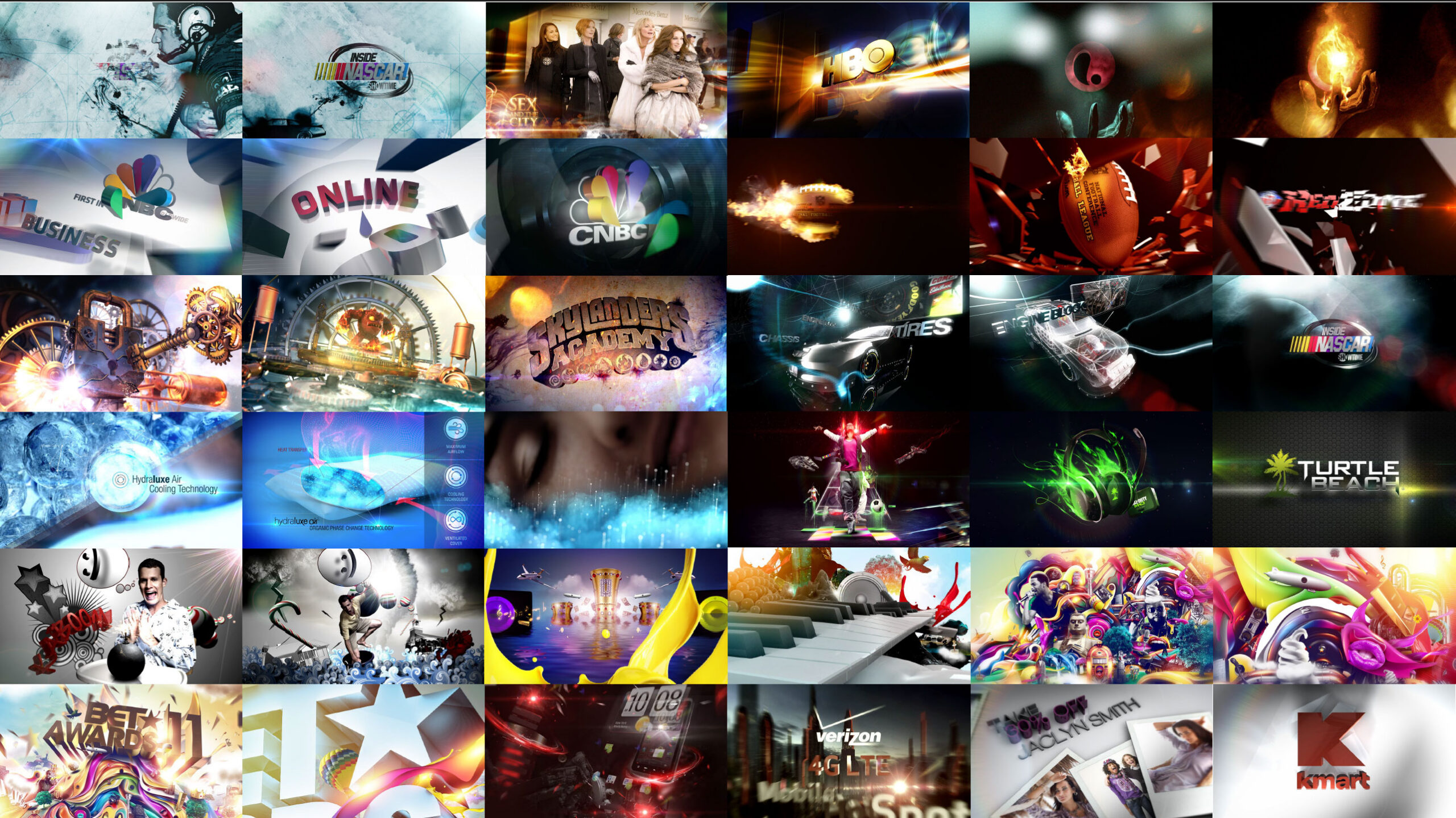
Motion design is far more than just “moving pictures.” It is a sophisticated form of visual communication that fuses graphic design, animation, and filmmaking to create high-impact content. At GRAFX, our strategic motion design services are built on the belief that while tools evolve, the human ability to craft a narrative remains the ultimate value.
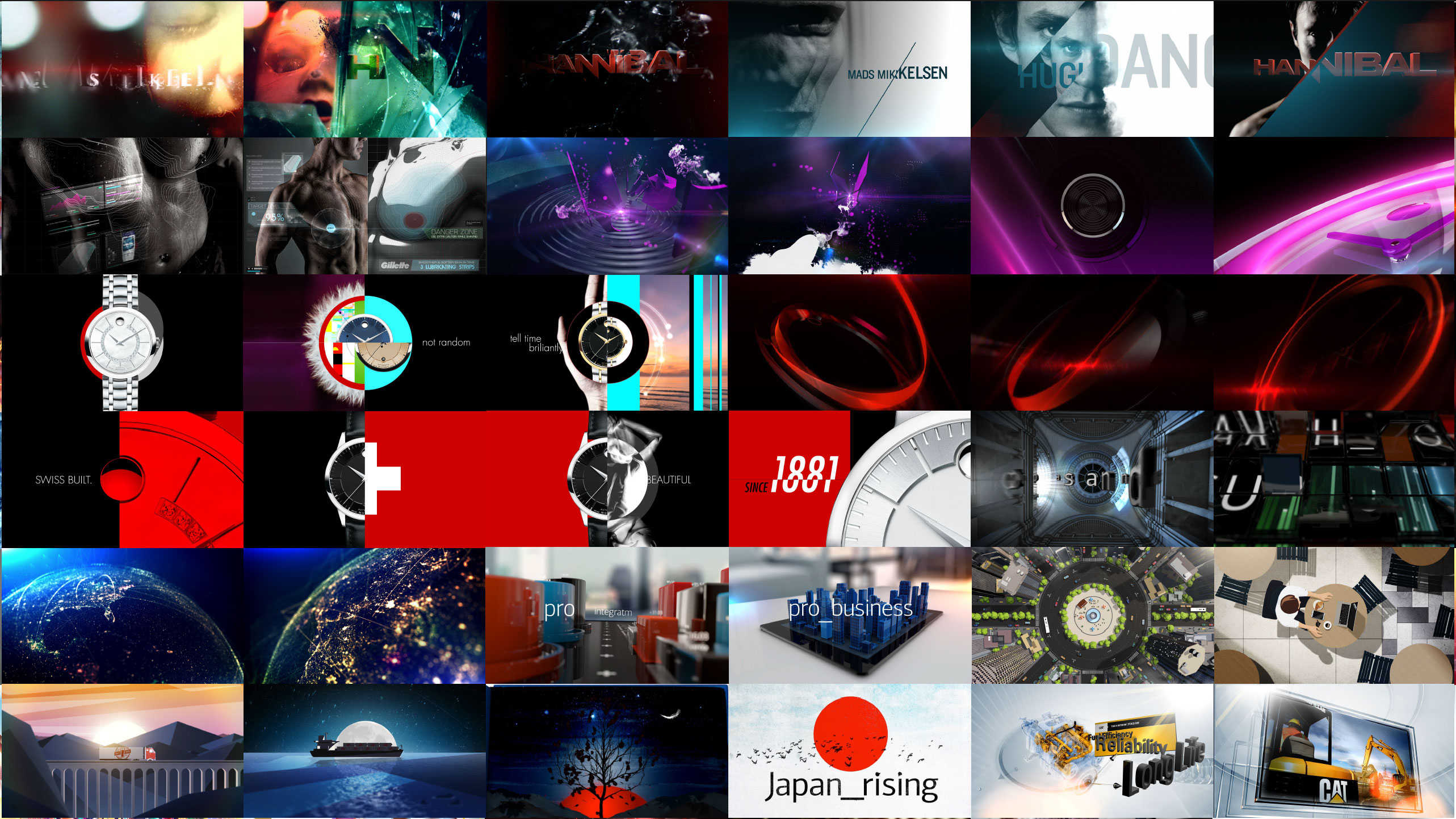
The Semiotics of Movement: Communicating with Intent
From a semiotic perspective, motion design serves as a complex system of signs. We don’t just move objects on a screen; we manipulate shapes, colors, typography, and timing to convey deep meaning.
Every element in a professional motion piece is arranged deliberately to:
- Trigger Emotional Responses: Using color theory and pacing.
- Clarify Complex Messages: Breaking down data into digestible visuals.
- Strengthen Brand Identity: Ensuring every movement feels “on-brand.”
The Choreography of Visual Storytelling
Metaphorically, we view motion design as a dance. Just as a choreographer uses rhythm and movement to create a performance, a motion designer uses animation and pacing to captivate an audience. This “dance” is what transforms a static message into a compelling narrative.
Why Motion Design is More Than Just Animation
While often lumped under the general “animation” umbrella, strategic motion design services occupy a unique niche. Animation often focuses on character-driven narratives, whereas motion design is frequently:
- Design-Centric: Focusing on the interactivity of graphic elements.
- Abstract and Symbolic: Using metaphors to explain products or concepts.
- Technically Rigorous: Requiring a blend of artistic vision and complex software expertise.
This discipline sits at the intersection of creativity and technology—a place where GRAFX thrives. It is an art form that demands both technical mastery and a unique human perspective to resonate with a global audience.
The Human Factor in the Age of AI
The industry is currently being revolutionized by Artificial Intelligence. While AI can accelerate workflows and generate assets, it cannot replicate the “human talent factor.”
The intuition required to know why a frame should linger a millisecond longer, or how a specific movement will make a viewer feel, is a uniquely human trait. In our studio, AI is a tool, but the designer is the conductor.
Elevate Your Brand with Motion
Motion design is no longer a luxury; it is a necessity for brands that want to stay relevant in a fast-paced digital landscape. It is a quintessential example of how technology can amplify human creativity to produce something truly world-class.
